
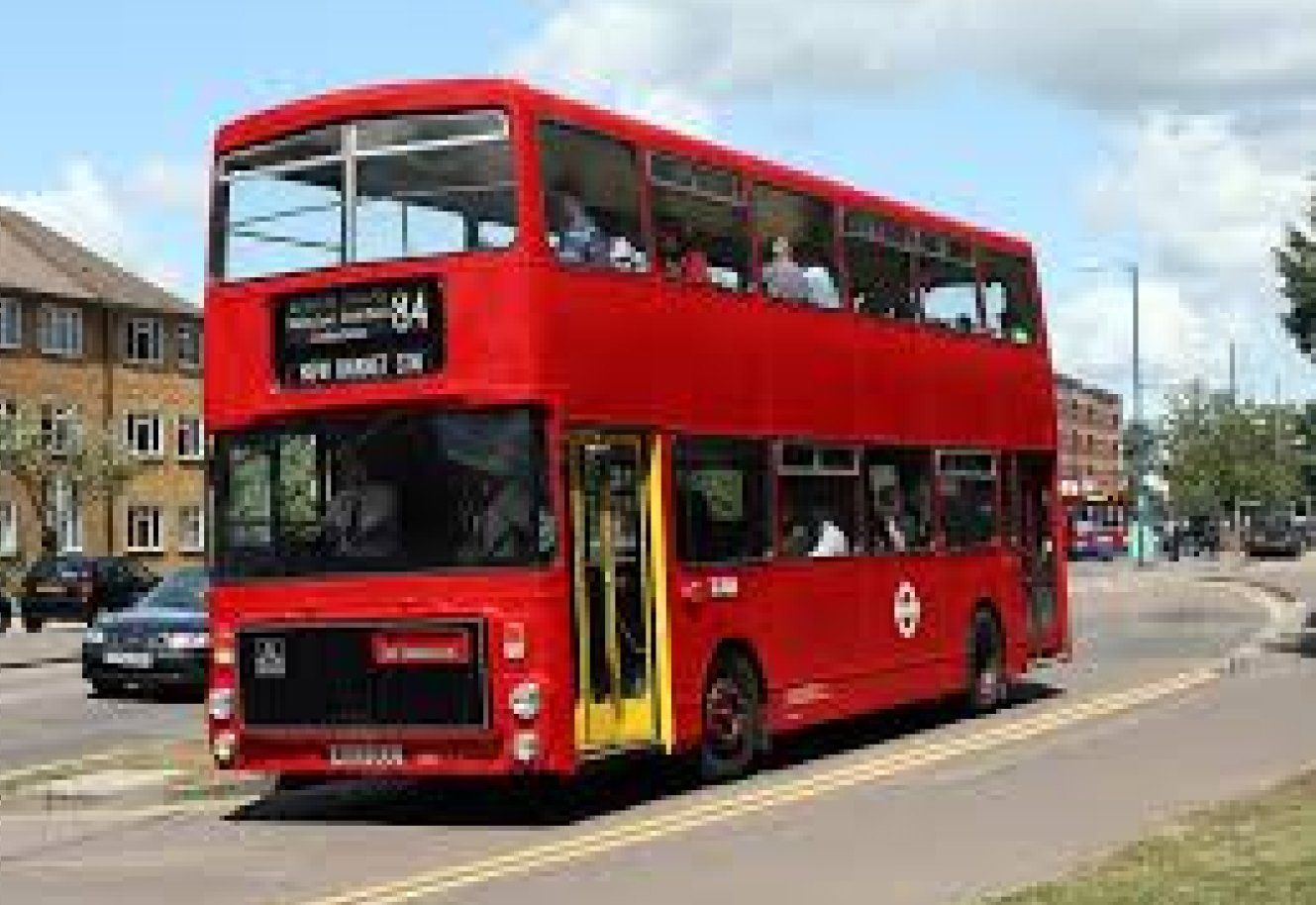
Volvo Ailsa: A Complete Guide to the Iconic Rear-Engined Bus
The Volvo Ailsa holds a special place in public transport history, particularly in the United Kingdom and parts of Europe. Known for its distinctive design, rear-engined layout, and reliability, the Volvo Ailsa became a defining vehicle of urban transport during the late 20th century. Even decades after its introduction, the Volvo Ailsa continues to attract attention from transport enthusiasts, historians, and collectors.
In this in-depth guide, we explore everything you need to know about the Volvo Ailsa—its origins, design features, performance, historical importance, and why it remains relevant today.
What Is the Volvo Ailsa?
The Volvo Ailsa was a rear-engined, double-deck bus chassis developed by Volvo in collaboration with British manufacturers. It was primarily designed for city transport and aimed to modernize bus fleets during a time when front-engined models were becoming outdated.
Unlike earlier designs, the Volvo Ailsa offered improved passenger comfort, better visibility for drivers, and more efficient use of internal space. It was widely adopted by municipal transport operators and private bus companies alike.
Origins and Development of the Volvo Ailsa
The Volvo Ailsa emerged during a period of transition in public transport design. Bus operators were seeking vehicles that were:
- Easier to maintain
- More fuel efficient
- Better suited for dense urban environments
- Capable of handling high passenger volumes
Volvo collaborated closely with British engineering firms to create a chassis that met these demands. The result was the Volvo Ailsa B55, commonly referred to simply as the Volvo Ailsa.
This model combined Volvo’s engineering expertise with British bodywork, making it particularly suitable for UK roads and city layouts.
Key Design Features of the Volvo Ailsa
Rear-Engined Configuration
One of the most notable features of the Volvo Ailsa is its rear-engined layout. This design allowed:
- Lower noise levels inside the cabin
- Improved driver visibility
- Better weight distribution
By moving the engine to the rear, Volvo created a smoother and quieter ride compared to front-engined predecessors.
Double-Deck Design
The Volvo Ailsa was primarily built as a double-deck bus, making it ideal for busy urban routes. The upper deck provided increased seating capacity, while the lower deck allowed for easier passenger flow and quicker boarding.
This design helped transport authorities maximize capacity without increasing fleet size.
Improved Passenger Comfort
Passenger comfort was a major focus of the Volvo Ailsa. Features included:
- Wider aisles
- Improved suspension
- Better ventilation
- Reduced vibration
These improvements made daily commutes more pleasant, especially during peak hours.
Driver-Focused Ergonomics
The driver’s cab in the Volvo Ailsa was designed with ergonomics in mind. Enhanced visibility, more intuitive controls, and reduced engine noise contributed to less driver fatigue and improved safety.
Performance and Engine Specifications
The Volvo Ailsa was powered by a reliable diesel engine known for its durability and efficiency. Key performance characteristics included:
- Smooth acceleration suitable for stop-start city traffic
- Strong torque for carrying full passenger loads
- Consistent performance over long service periods
These qualities made the Volvo Ailsa a dependable choice for transport operators who needed vehicles that could withstand heavy daily use.
Volvo Ailsa in Public Transport History
Adoption Across the UK
The Volvo Ailsa became particularly popular in the United Kingdom, where it was used by major city transport operators. Its adaptability to different body designs allowed it to serve in a variety of urban settings, from busy metropolitan centers to smaller towns.
A Symbol of Modernization
During its peak years, the Volvo Ailsa represented a shift toward modern public transport solutions. It replaced older, less efficient models and helped set new standards for comfort and operational efficiency.
Longevity and Service Life
One of the most impressive aspects of the Volvo Ailsa was its longevity. Many units remained in service for decades, a testament to Volvo’s engineering quality. Even after being phased out of regular service, some were repurposed for private use or preserved by collectors.
Variants and Customization
The Volvo Ailsa was known for its flexibility. Operators could choose from different body manufacturers and interior configurations, allowing the bus to be customized for specific routes and passenger needs.
Common variations included:
- Different seating layouts
- Modified entry and exit points
- Customized livery and branding
This adaptability contributed significantly to the Volvo Ailsa’s widespread adoption.
Maintenance and Reliability
Ease of Maintenance
Transport operators appreciated the Volvo Ailsa for its relatively straightforward maintenance requirements. The rear-engined layout allowed easier access to major components, reducing downtime and repair costs.
Durability
The robust construction of the Volvo Ailsa meant it could handle years of intensive use. Many buses exceeded their expected service life, making them a cost-effective investment for operators.
Volvo Ailsa Among Bus Enthusiasts
Today, the Volvo Ailsa enjoys a strong following among classic bus enthusiasts. Restored models can be found at transport museums, heritage routes, and special events.
Enthusiasts admire the Volvo Ailsa for:
- Its distinctive design
- Historical significance
- Engineering reliability
- Nostalgic value
For many, the Volvo Ailsa represents a golden era of public transport.
The Volvo Ailsa in Preservation and Restoration
Preserving a Volvo Ailsa requires dedication, but many collectors find the effort worthwhile. Restoration projects often focus on:
- Returning the engine to original condition
- Recreating authentic interiors
- Restoring period-correct liveries
These preserved buses serve as rolling reminders of how public transport evolved over time.
Why the Volvo Ailsa Still Matters Today
Although no longer in mainstream service, the Volvo Ailsa remains relevant for several reasons:
- Historical Insight – It showcases a pivotal moment in bus design evolution.
- Engineering Lessons – Its durability highlights the value of robust engineering.
- Cultural Significance – It evokes nostalgia for generations who relied on it daily.
Modern buses may feature advanced technology, but many design principles pioneered by vehicles like the Volvo Ailsa are still in use today.
Volvo Ailsa vs Modern Buses
While modern buses offer features such as low-floor access, digital systems, and alternative fuels, the Volvo Ailsa laid important groundwork. Its focus on passenger comfort, driver ergonomics, and efficient space usage continues to influence contemporary designs.
In many ways, the Volvo Ailsa was ahead of its time.
Final Thoughts on the Volvo Ailsa
The Volvo Ailsa is more than just a bus—it is a symbol of innovation, reliability, and progress in public transportation. From its rear-engined design to its long service life, it demonstrated how thoughtful engineering could transform urban mobility.