
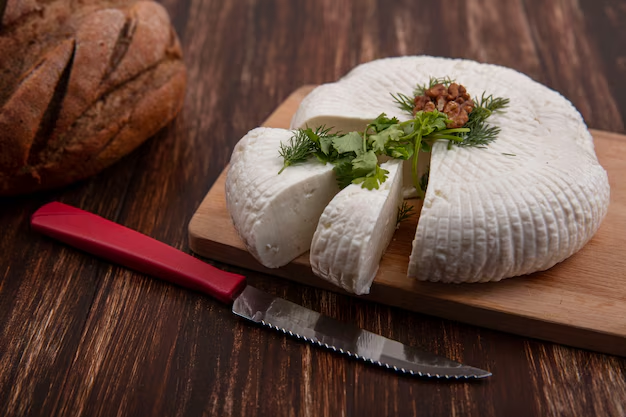
Grouse Cheese: A Gourmet Delight You Need to Know About
Cheese lovers around the world are constantly on the lookout for unique and flavorful cheeses that elevate everyday meals or become the star of a gourmet platter. One such exceptional cheese that has been gaining attention in culinary circles is grouse cheese. Known for its rich taste, distinct texture, and artisanal craftsmanship, grouse cheese is slowly carving out a niche in the world of gourmet dairy products. In this article, we’ll explore everything you need to know about grouse cheese, from its origins and production process to its flavor profile, culinary uses, and why it should be a staple in your kitchen.
What is Grouse Cheese?
Grouse cheese is a specialty cheese that often surprises first-time tasters with its depth of flavor. Unlike standard supermarket cheeses, grouse cheese is typically made using traditional, artisanal methods, often involving the milk of cows, goats, or sheep that graze in pristine, natural environments. The name “grouse” evokes the wild, natural origin of the product, hinting at a connection to nature and high-quality ingredients.
Its texture can range from soft and creamy to semi-hard, depending on the aging process, and it frequently features a subtly earthy undertone, reminiscent of the natural herbs and grasses consumed by the livestock. This unique profile makes grouse cheese an excellent choice for both casual enjoyment and gourmet presentations.
The Origins of Grouse Cheese
While the exact origin of grouse cheese is somewhat shrouded in culinary history, it is widely believed to have roots in European cheesemaking traditions. Countries renowned for their artisanal cheeses, such as France, Italy, and Switzerland, often inspire the production of grouse cheese varieties. In these regions, cheesemakers focus on preserving natural flavors, using minimal additives, and allowing the characteristics of the milk and local environment to shine.
The name itself is likely derived from regions where grouse birds are native, symbolizing purity, wildness, and a connection to the natural landscape. By invoking this imagery, grouse cheese is positioned as a premium product for those who appreciate authenticity and quality in their dairy choices.
How Grouse Cheese is Made
The process of making grouse cheese is both an art and a science. Artisanal cheesemakers carefully select milk from livestock that feed on natural pastures, ensuring the final product carries a full, rich flavor. Here’s a breakdown of the typical process:
- Milk Selection: High-quality milk is the foundation. Some producers prefer raw milk for its robust flavor, while others may use pasteurized milk for consistency.
- Curd Formation: Natural enzymes or rennet are added to the milk, causing it to coagulate and form curds.
- Cutting and Draining: The curds are carefully cut and drained to remove excess whey, which helps determine the texture of the cheese.
- Aging: The cheese is aged under controlled conditions, sometimes in caves or cellars that provide ideal humidity and temperature. Aging can last anywhere from a few weeks to several months, depending on the desired flavor intensity.
- Flavor Enhancements: Some varieties of grouse cheese are infused with herbs, spices, or even smoked gently to enhance complexity.
- Packaging: Once matured, the cheese is packaged carefully to maintain freshness and quality, ready to be enjoyed by cheese connoisseurs.
This meticulous approach to production ensures that grouse cheese delivers a nuanced taste experience, distinct from mass-produced cheeses.
Flavor Profile and Texture
One of the reasons grouse cheese has been attracting attention is its unique flavor profile. Here’s what makes it stand out:
- Rich and Creamy: Even the firmer varieties often maintain a creamy, melt-in-your-mouth texture.
- Earthy Undertones: Depending on the herbs consumed by the livestock, the cheese can carry hints of grass, wildflowers, or subtle woodsy flavors.
- Nutty and Buttery Notes: Many aged grouse cheeses develop a nutty richness, reminiscent of high-quality aged cheddar or gouda.
- Mild to Bold: Younger cheeses are generally milder and smoother, while longer-aged varieties exhibit a bolder, more complex taste.
The texture of grouse cheese can vary from spreadable and soft to firm slices suitable for a cheese board. This versatility makes it a go-to choice for both cooking and snacking.
Culinary Uses of Grouse Cheese
Grouse cheese is not just a cheese to admire—it’s a cheese to cook with and savor in multiple culinary settings. Here are some popular ways to enjoy it:
1. Cheese Boards and Platters
Grouse cheese pairs beautifully with fruits, nuts, and charcuterie. Its earthy and nutty tones complement cured meats, fresh berries, and artisan breads, making it an essential addition to any gourmet platter.
2. Cooking and Baking
Thanks to its creamy consistency, grouse cheese works wonderfully in cooked dishes. It can be grated over pasta, melted into sauces, or used as a filling in savory pastries and tarts. The cheese’s depth of flavor enhances dishes without overpowering other ingredients.
3. Salads and Light Dishes
Crumbled grouse cheese adds a touch of richness to salads, roasted vegetables, and grain bowls. Its subtle earthiness pairs well with citrus vinaigrettes, roasted nuts, and fresh herbs, elevating even simple dishes.
4. Pairing with Wine and Beverages
Cheese connoisseurs love pairing grouse cheese with fine wines. A light, floral white wine complements the cheese’s creamy texture, while a robust red wine balances its earthy undertones. Beer enthusiasts can enjoy it alongside craft ales, particularly those with nutty or malty notes.
Health Benefits of Grouse Cheese
Like many artisanal cheeses, grouse cheese offers nutritional value when consumed in moderation:
- Rich in Protein: Cheese is a great source of protein, supporting muscle health and satiety.
- Source of Calcium: Strong bones and teeth benefit from the calcium found in high-quality cheeses.
- Healthy Fats: Depending on the milk used, grouse cheese provides beneficial fats essential for energy and nutrient absorption.
- Probiotics: Some varieties made from raw or cultured milk may contain probiotics that promote gut health.
While it is nutrient-dense, it’s important to enjoy grouse cheese as part of a balanced diet, especially for those mindful of sodium and saturated fat intake.
Choosing the Right Grouse Cheese
When selecting grouse cheese, consider the following:
- Texture Preference: Decide whether you want a soft, creamy cheese or a firmer variety.
- Aging Level: Younger cheeses are mild, while aged cheeses have more pronounced flavors.
- Milk Type: Cow, goat, or sheep milk all impart unique tastes. Choose according to your preference.
- Intended Use: Are you using it for cooking, snacking, or pairing with beverages? The purpose can guide your choice.
Visiting local specialty cheese shops or gourmet markets is often the best way to explore the full range of grouse cheese varieties.
Storing Grouse Cheese
Proper storage is key to maintaining the flavor and texture of grouse cheese. Here are some tips:
- Wrap Properly: Use parchment or wax paper to wrap the cheese, followed by a loose layer of plastic wrap or a sealed container.
- Refrigerate: Store in the vegetable crisper or a designated cheese drawer to maintain optimal humidity.
- Allow Breathing: Avoid airtight plastic directly on the cheese, as it can trap moisture and affect texture.
- Bring to Room Temperature: Before serving, let the cheese sit for 15–30 minutes to enhance flavor and aroma.
By following these simple steps, you can enjoy grouse cheese at its best.
Why Grouse Cheese is a Must-Try
Grouse cheese is more than just another cheese on the shelf—it’s an experience. Its artisanal production, unique flavor profile, and versatility make it a standout choice for food enthusiasts. Whether you’re a cheese connoisseur, a home cook, or someone looking to elevate your dining experience, grouse cheese offers a combination of quality, taste, and sophistication that’s hard to beat.
Conclusion
From its natural origins and artisanal production to its rich, earthy flavors, grouse cheese is a remarkable addition to any kitchen. Its versatility allows it to shine on a cheese board, in a gourmet recipe, or even paired with the perfect wine. By exploring grouse cheese, you are not only tasting a product of meticulous craftsmanship but also indulging in a cheese that celebrates the richness of nature and the artistry of cheesemaking.