
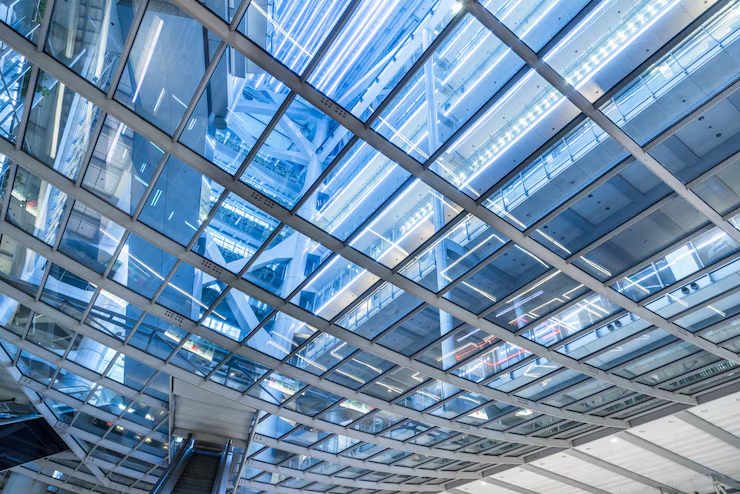
Acryldach: Everything You Need to Know About Modern Acrylic Roofing Solutions
When it comes to modern roofing materials, acryldach has become an increasingly popular choice for homeowners, architects, and commercial builders alike. Known for its transparency, durability, and sleek appearance, an acryldach offers a perfect balance between protection and natural light. Whether used for patios, terraces, carports, or commercial spaces, acrylic roofing is redefining how outdoor and semi-outdoor areas are designed.
In this comprehensive guide, we will explore what an acryldach is, its benefits, common applications, installation considerations, maintenance tips, and why it has become a preferred roofing solution in contemporary construction.
What Is an Acryldach?
An acryldach refers to a roof system made from acrylic panels, typically manufactured from polymethyl methacrylate (PMMA). These panels are designed to be lightweight, transparent or semi-transparent, and highly resistant to weather conditions.
Unlike traditional roofing materials such as metal, concrete, or tiles, an acryldach allows sunlight to pass through while still offering reliable protection from rain, wind, and UV radiation. This unique feature makes it ideal for spaces where natural lighting is essential.
Acrylic roofing panels are available in various thicknesses, colors, and surface finishes, allowing customization for different architectural needs.
Why Acryldach Is Gaining Popularity
The rising demand for acryldach systems is driven by both functional and aesthetic advantages. Modern construction emphasizes open spaces, energy efficiency, and minimalistic design—areas where acrylic roofs excel.
Here are the key reasons why acryldach is becoming a preferred choice:
- Increased use of outdoor living spaces
- Growing focus on daylight optimization
- Need for durable yet lightweight roofing
- Demand for visually appealing architectural elements
Key Benefits of Acryldach
1. Excellent Light Transmission
One of the most notable advantages of an acryldach is its ability to transmit natural light. Clear acrylic panels can allow up to 90% of sunlight to pass through, making spaces brighter without relying heavily on artificial lighting.
This feature is especially valuable for:
- Patios and terraces
- Greenhouses
- Walkways and canopies
- Commercial atriums
Natural lighting not only enhances visual appeal but also contributes to energy savings.
2. High Durability and Weather Resistance
Despite being lightweight, acrylic roofing panels are extremely durable. A high-quality acryldach can withstand harsh weather conditions such as:
- Heavy rain
- Snow loads
- Strong winds
- Temperature fluctuations
Acrylic is also resistant to corrosion and does not rust, making it ideal for long-term outdoor use.
3. UV Protection
Modern acryldach systems are often treated with UV-resistant coatings. These coatings help block harmful ultraviolet rays while still allowing visible light to pass through.
This protects:
- Furniture and flooring beneath the roof
- Plants from excessive UV exposure
- People from prolonged sun damage
4. Lightweight Construction
Compared to glass or traditional roofing materials, acrylic panels are significantly lighter. This reduces the structural load on buildings and allows for more flexible design options.
Because of its lightweight nature:
- Installation is faster
- Support structures can be simpler
- Renovation projects become easier
5. Aesthetic Appeal
An acryldach delivers a modern, clean, and elegant look. Whether transparent, tinted, or frosted, acrylic roofing enhances the overall appearance of any structure.
Architects often choose acrylic roofs to create:
- Open and airy environments
- Seamless indoor-outdoor transitions
- Contemporary design statements
6. Design Versatility
Acrylic roofing panels can be cut, shaped, and installed in various configurations. They are suitable for flat roofs, sloped roofs, curved designs, and custom architectural features.
Available options include:
- Clear or colored panels
- Matte or glossy finishes
- Structured or smooth surfaces
Common Applications of Acryldach
The versatility of acryldach makes it suitable for a wide range of residential and commercial uses.
Residential Applications
In homes, acrylic roofing is commonly used for:
- Patio covers
- Balcony roofs
- Garden pergolas
- Carports
- Entrance canopies
Homeowners appreciate how an acryldach enhances outdoor spaces while maintaining protection from the elements.
Commercial Applications
In commercial settings, acryldach systems are widely used in:
- Shopping centers
- Restaurants and cafés
- Office buildings
- Hotels and resorts
- Public walkways
The ability to create bright, inviting environments makes acrylic roofing especially attractive in customer-facing spaces.
Industrial and Public Spaces
Acryldach is also used in:
- Bus stops and shelters
- Sports facilities
- Exhibition halls
- Parking structures
Its durability and low maintenance requirements make it a cost-effective solution for high-traffic areas.
Acryldach vs Other Roofing Materials
When choosing a roofing material, it is helpful to compare acryldach with alternatives.
Acryldach vs Glass Roofs
While glass offers excellent transparency, acrylic has several advantages:
- Lighter weight
- Higher impact resistance
- Lower risk of shattering
- Easier installation
This makes acryldach a safer and more practical option in many cases.
Acryldach vs Polycarbonate Roofing
Both acrylic and polycarbonate are popular transparent roofing materials. Acrylic typically offers:
- Better clarity
- Higher scratch resistance
- Superior aesthetic finish
Polycarbonate may be more impact-resistant, but acrylic is often preferred where appearance and light quality are priorities.
Installation Considerations for Acryldach
Proper installation is crucial for maximizing the performance and lifespan of an acryldach.
Structural Support
Although lightweight, acrylic panels still require adequate support. The supporting frame must be:
- Properly aligned
- Designed to handle wind and snow loads
- Resistant to moisture
Aluminum and steel frames are commonly used.
Expansion and Contraction
Acrylic expands and contracts with temperature changes. During installation:
- Expansion gaps must be allowed
- Proper fasteners should be used
- Panels should not be over-tightened
Ignoring thermal movement can lead to cracking or warping.
Professional Installation
While some small projects can be DIY, professional installation is recommended for larger or more complex acryldach systems. Experts ensure correct alignment, sealing, and long-term performance.
Maintenance and Care of Acryldach
One of the major advantages of an acryldach is its low maintenance requirement.
Cleaning Tips
To keep acrylic roofing looking new:
- Clean with mild soap and water
- Use a soft cloth or sponge
- Avoid abrasive cleaners or brushes
Regular cleaning prevents dirt buildup and maintains light transmission.
Preventing Scratches
Although acrylic is scratch-resistant, care should still be taken:
- Avoid dragging sharp objects across the surface
- Do not use harsh chemicals
- Trim nearby tree branches
Long-Term Durability
With proper care, a high-quality acryldach can last many years without significant loss of clarity or strength.
Environmental and Energy Benefits
An often overlooked advantage of acryldach systems is their contribution to energy efficiency.
- Reduced need for artificial lighting
- Improved indoor comfort through natural daylight
- Potential compatibility with solar shading solutions
By optimizing daylight usage, acrylic roofing supports sustainable building practices.
Is Acryldach Right for You?
An acryldach is an excellent choice if you are looking for:
- A modern and stylish roofing solution
- Maximum natural light
- Durable and weather-resistant materials
- Low maintenance requirements
Whether for residential renovation or commercial construction, acrylic roofing offers a unique combination of beauty and functionality.
Final Thoughts on Acryldach
The growing popularity of acryldach systems reflects a shift toward brighter, more open, and energy-efficient architectural designs. With its impressive durability, elegant appearance, and versatility, acrylic roofing continues to set new standards in modern construction.