
The Remarkable, Elusive Life of Hezekiah Moscow: London’s Forgotten Bare‑Knuckle Boxer
In the murky alleyways and smoky music halls of Victorian East London, at a time when the city was exploding with immigrants, performers, and dreamers, a man named Hezekiah Moscow emerged as an unforgettable — yet deeply mysterious — figure. His story, newly reignited in the spotlight by the Disney+ series A Thousand Blows, is part boxing legend, part vanished enigma. In this post, we’ll dive into who Hezekiah Moscow was, how he made his way in late‑19th-century London, and why his legacy still resonates today.
Origins: A Man of Many Facets
Hezekiah Moscow’s early life is shrouded in uncertainty. According to historical research, he was likely born around 1862 in the West Indies, probably Jamaica. Whether “Moscow” was his birth surname or a mishearing of something like “Mascoe” remains debated by genealogists.
He arrived in London in the 1880s with a dream — not just of boxing fame, but something more unusual: lion taming. The fact that he wanted to become a lion tamer speaks to both his showmanship and his ambition, and it’s a critical piece of what made his story so cinematic.
Rise of “Ching Hook”: The Fighter Persona
Once in London, Hezekiah didn’t simply step into the ring under his own name. Instead, he adopted the fighting alias “Ching Hook” (sometimes “Ching Ghook”). This name, uncomfortable as it may sound today, likely stemmed from Victorian racial stereotyping — a caricature that collapsed Black and Asian identities in the imaginations of many in 19th-century London.
Under this persona, Hezekiah Moscow found a foothold in the rough, unregulated world of bare-knuckle boxing. Unlike modern professional boxing, his matches often took place in pubs, music halls, or improvised rings — places more akin to shows than sporting events. He was known for agility, flair, and a theatrical presence, which made him stand out even in that chaotic environment.
According to the boxing historians working on his life, Hezekiah Moscow entered the ring 113 times. While 72 of those appearances were exhibitions, the rest were real fights: he officially won 17, lost 23, and drew once.
Beyond the Ring: Lion Taming, Music Halls, and Controversy
Boxing was only one side of Moscow’s public life. He also performed in music halls and worked at the Shoreditch Aquarium, handling lions and other exotic animals. This dual career — part athlete, part showman — made him a unique figure in Victorian entertainment.
However, his time at the aquarium wasn’t without drama. He faced legal trouble: He was charged by the RSPCA for “cruelly ill-treating” four bears. According to some historians, the allegations might have been exaggerated or even false — possibly a smear campaign, rather than a reflection of genuine cruelty.
Friendship, Loss, and the Underworld
One central relationship in his life was with Alec Munroe, another Jamaican-born boxer. In A Thousand Blows, their bond is a core part of the story, but it wasn’t purely fictional: Munroe was a real person. Tragically, Munroe was killed in 1885 in a lodging house argument in Spitalfields.
Moscow’s connection to the criminal underworld is also dramatized in the show. In reality, he operated in a world that blurred lines: boxing, crime, performance, and survival. While not all of his interactions with gangs are documented, he lived in a London buzzing with marginalized communities, where entertainers and fighters sometimes intersected with the underworld.
The Disappearance of a Legend
Around 1892, Hezekiah Moscow seemingly vanished from the public record. His last known boxing appearance was covered in press ads, but after that, he fades from newspapers and legal documentation.
Mystery shrouds his final years. There is no confirmed death certificate, nor a known burial record. His wife, Mary Ann, even placed a missing person notice at one point, referring to him as the “coloured pugilist, known as Ching Ghook.”
Some historians suggest he may have changed his identity, or possibly left the country. There is very little concrete evidence of what became of him — a “fractured biography,” to borrow the words of historian David Olusoga, meaning that only fragments of his life can be pieced together.
Legacy: Reclaiming a Forgotten Hero
Why does Hezekiah Moscow matter today? There are a few key reasons:
- Representation of Black Life in Victorian Britain
His life illustrates the complexity of Black immigrant existence in 19th-century London. He was not just invisible labor — he was a performer, athlete, and a public personality. His biography, though fragmented, challenges narratives that erase Black people from that era. - Cultural Impact
The renewed attention via A Thousand Blows is breathing new life into his story. Through this dramatization, audiences are reintroduced to a man once prominent but largely forgotten. - Historical Gaps and Activism
His mysterious disappearance underscores how many historical records — especially regarding people of color — are incomplete or biased. Historians like Sarah Elizabeth Cox (who has done extensive archival research) are working to reclaim that lost history. - Legacy Through Family
Though Hezekiah may have vanished, traces of him remain. His daughter Eliza carried his name into future generations.
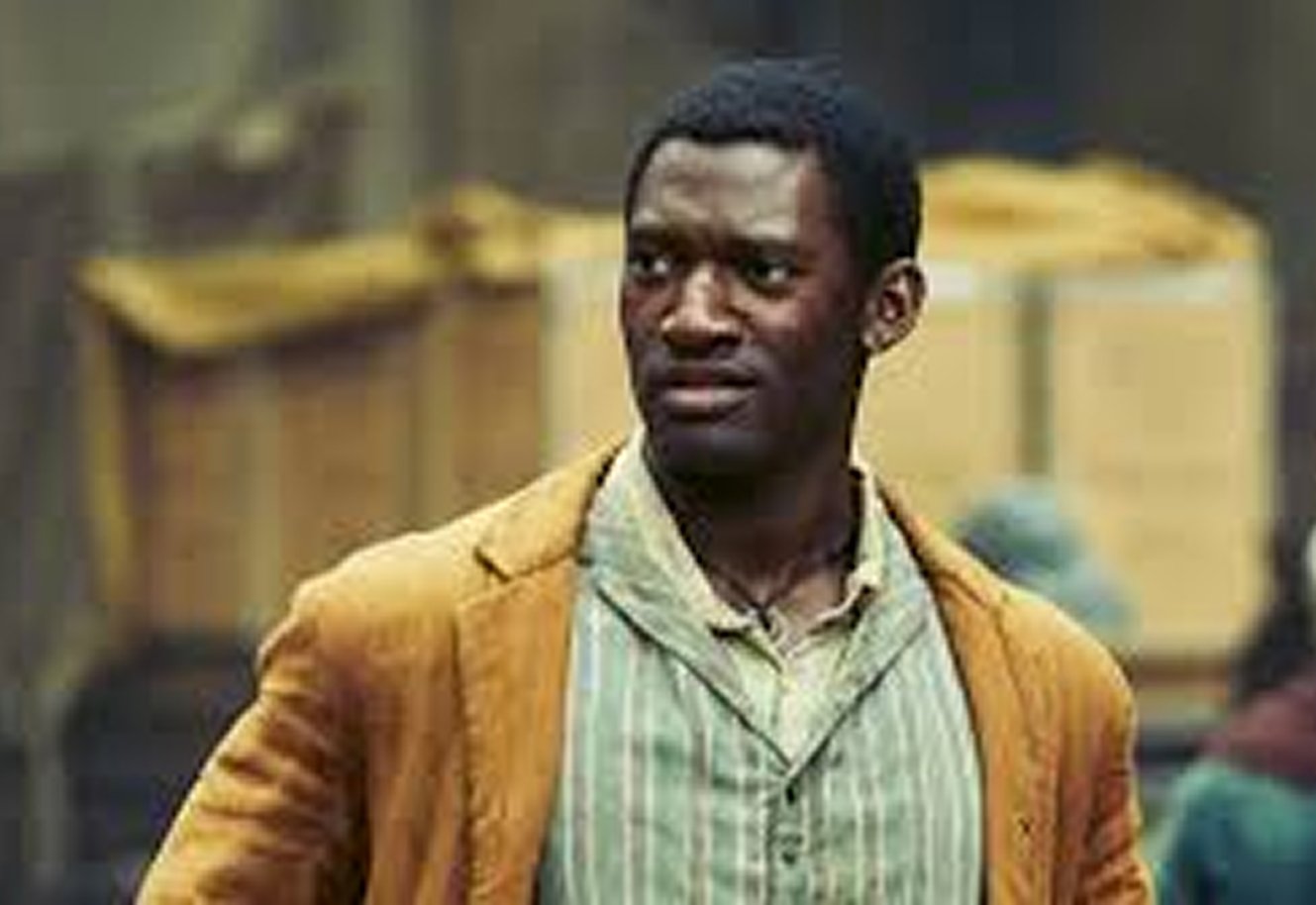
Hezekiah Moscow in A Thousand Blows
While A Thousand Blows takes creative liberties, the show’s depiction of Moscow captures the spirit of his real life: his ambition, his vulnerability, his performance in and out of the ring, and the precariousness of his survival.
Malachi Kirby, the actor who plays him, has spoken about how little is definitively known about Moscow’s personality, which opened the door for imagination while honoring historical truth.
Why His Story Resonates Today
- Immigration and Displacement: Hezekiah’s journey from Jamaica to London — navigating a difficult and often exploitative world — speaks to universal themes of migration and belonging.
- Resilience and Reinvention: He moved from lion taming to boxing to music halls — constantly reimagining who he could be.
- Erasure and Recovery: That his life was almost lost to history until recent scholarship shows how fragile historical memory can be, especially for marginalized individuals.
- Power of Storytelling: Dramas like A Thousand Blows show how storytelling can resurrect forgotten lives and bring them into the public consciousness.
Conclusion: Remembering Hezekiah Moscow
Hezekiah Moscow may never fully reveal all his secrets. The gaps in his biography might persist — his exact origins, the truth of his last days, and the full measure of his personality. But maybe that’s part of his power. He is a symbol of resilience in a time and place where many like him were forgotten.