MySDMC SSL: Complete Guide to Secure Access, Setup, and Troubleshooting (2026)
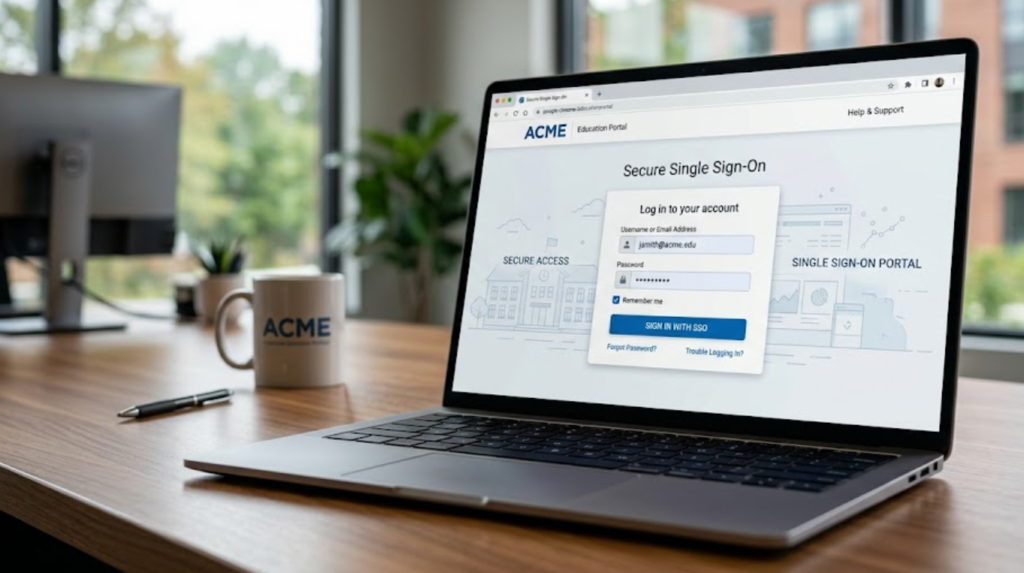
If you are searching for “mysdmc ssl”, chances are you are trying to access the MySDMC portal safely, troubleshoot login problems, or understand why your browser keeps showing security warnings. Whether you are a student, parent, or staff member in the School District of Manatee County (SDMC), secure access to the MySDMC platform is essential for viewing grades, assignments, schedules, and other educational resources.
In this detailed guide, we will explain what MySDMC SSL means, why it matters, how it works, and how to fix common issues related to SSL errors.
What Does MySDMC SSL Mean?
The term MySDMC SSL refers to the Secure Sockets Layer (SSL) security technology used to protect connections between your web browser and the MySDMC website.
When you access MySDMC, you are likely entering sensitive information such as:
- Login credentials
- Student records
- Academic progress
- Attendance reports
- Personal data
SSL ensures that all communication between you and the portal is encrypted and protected from hackers or unauthorized access.
Today, SSL is commonly replaced by a newer version called TLS (Transport Layer Security), but people still use the term “SSL” because it is widely recognized.
Why MySDMC SSL Is Important for Students and Parents
The MySDMC portal contains private educational data, so security is a top priority. Without SSL, your information could be intercepted by third parties, especially if you are using:
- Public Wi-Fi at cafes or libraries
- School networks with shared access
- Mobile internet with weak security settings
With MySDMC SSL enabled, the connection is encrypted, meaning:
Your login details stay private
Student information cannot be read by outsiders
Data is protected from tampering
Browsers recognize the website as trusted
This is why you often see the padlock icon in the address bar when accessing MySDMC.
How SSL Works on MySDMC
When you type the MySDMC web address into your browser, SSL security works behind the scenes through a process called a handshake.
Here’s what happens:
- Your browser requests a secure connection.
- The MySDMC server sends an SSL certificate.
- Your browser verifies if the certificate is valid and trusted.
- If verified, an encrypted connection is created.
- Data exchanged between you and MySDMC becomes unreadable to outsiders.
This process happens in seconds but plays a major role in keeping your account secure.
How to Know If MySDMC SSL Is Working Properly
If SSL is working correctly, you will notice:
- A padlock symbol in the browser address bar
- The URL begins with https:// instead of http://
- No security warning appears on the page
Example of a Secure Connection:
https://mysdmc…
If the website starts with only http://, it means the connection is not encrypted (or you may be redirected automatically).
Common MySDMC SSL Errors and What They Mean
Many users search “mysdmc ssl” because they encounter errors like:
1. “Your Connection Is Not Private”
This is one of the most common SSL-related errors. It usually happens when your browser cannot verify the security certificate.
Possible reasons include:
- Expired certificate
- Incorrect device date and time
- Network interference
- Browser cache issues
2. “SSL Certificate Expired”
This error occurs when the MySDMC security certificate is outdated and hasn’t been renewed on time.
This is usually a server-side issue, but it can sometimes appear due to incorrect system time.
3. “ERR_SSL_PROTOCOL_ERROR”
This error happens when the browser fails to establish a secure SSL connection.
Common causes:
- Browser misconfiguration
- Outdated browser version
- Firewall or antivirus blocking secure connection
4. “NET::ERR_CERT_AUTHORITY_INVALID”
This error means your browser does not trust the SSL certificate authority.
This can occur when:
- You’re using an outdated operating system
- Your device lacks updated root certificates
- Your network is intercepting secure traffic
How to Fix MySDMC SSL Issues (Step-by-Step)
If you are facing SSL errors when opening MySDMC, try these fixes in order.
Step 1: Check Date and Time on Your Device
SSL certificates depend heavily on time verification. If your device date/time is incorrect, MySDMC SSL validation may fail.
Fix:
- Set date and time to automatic
- Restart browser and try again
This single step resolves many SSL issues.
Step 2: Clear Browser Cache and Cookies
Old cached data can cause SSL conflicts.
Fix:
- Open browser settings
- Clear browsing data
- Select cookies + cached images/files
- Restart browser
Then try logging in again.
Step 3: Use a Different Browser
Sometimes the issue is browser-specific.
Recommended browsers for MySDMC:
- Google Chrome
- Mozilla Firefox
- Microsoft Edge
- Safari (for Apple users)
If SSL fails on one browser, switching browsers can solve it instantly.
Step 4: Update Your Browser
Older browser versions may not support modern SSL/TLS encryption protocols.
Fix:
- Update Chrome/Firefox/Edge to latest version
- Restart the computer
- Try MySDMC again
Step 5: Disable VPN or Proxy
VPNs and proxies can interfere with SSL verification.
If you’re using a VPN:
- Turn it off temporarily
- Refresh the MySDMC page
- Check if the SSL warning disappears
Step 6: Disable Antivirus HTTPS Scanning
Some antivirus programs scan encrypted web traffic, which may trigger SSL warnings.
Fix:
- Open antivirus settings
- Disable HTTPS scanning temporarily
- Restart browser
- Test MySDMC access
If this works, you may need to add MySDMC as a trusted site.
Step 7: Restart Router or Switch Network
Sometimes Wi-Fi networks block certain secure protocols.
Try:
- Switching from Wi-Fi to mobile hotspot
- Restarting your router
- Using a different network (school network or home network)
MySDMC SSL Login Problems: What to Do
If the portal loads but login does not work properly, SSL may still be affecting the authentication process.
Common symptoms:
- Page loads but login button does nothing
- Login redirects repeatedly
- White screen after entering credentials
- Portal stuck in loading mode
Fixes:
- Clear cookies and cache
- Disable browser extensions (especially ad blockers)
- Try Incognito/Private mode
- Switch browsers
- Ensure stable internet connection
MySDMC SSL on Mobile Devices (Android & iPhone)
Many students and parents use MySDMC through mobile browsers. SSL issues on mobile devices can occur due to outdated software.
Tips for Android users:
- Update Chrome browser
- Update Android system security patches
- Avoid using unknown Wi-Fi networks
Tips for iPhone users:
- Update iOS to latest version
- Use Safari or Chrome
- Turn off “Private Relay” temporarily if connection issues appear
Mobile SSL issues are usually solved by system updates.
Is It Safe to Bypass MySDMC SSL Warnings?
If you see a warning like:
“This site may be unsafe”
or
“Your connection is not private”
You might see an option like:
- Advanced → Proceed anyway
Should you proceed?
In most cases: No.
Bypassing SSL warnings can expose your login credentials and personal information. Unless you are 100% sure the issue is caused by your own device settings (like incorrect date/time), you should avoid continuing.
Instead, troubleshoot properly.
MySDMC SSL and Student Data Protection
Schools are required to follow strict digital safety and privacy policies. SSL is one of the key technologies used to protect:
- Student identities
- Report cards and grades
- Attendance records
- Teacher communication
- Parent account information
This is why the MySDMC system must maintain a valid and up-to-date SSL certificate at all times.
How Schools Maintain SSL Security for MySDMC
MySDMC SSL security is managed through:
- Certificate renewals
- HTTPS redirection
- Server configuration updates
- Firewall and malware monitoring
- TLS version upgrades
If the portal ever experiences certificate expiration or misconfiguration, SDMC IT teams typically resolve it quickly.
Best Practices to Stay Secure While Using MySDMC
To ensure you are always protected while accessing the portal, follow these tips:
Use Strong Passwords
Avoid simple passwords like birthdays or school names. Use a combination of:
- Uppercase letters
- Lowercase letters
- Numbers
- Symbols
Log Out After Each Session
Especially if using shared devices at school or home.
Avoid Public Wi-Fi for Login
If you must use public Wi-Fi, consider using secure mobile data instead.
Keep Devices Updated
Old devices often cause SSL problems and security vulnerabilities.
Frequently Asked Questions (FAQs)
Why am I seeing SSL errors only on MySDMC?
Because MySDMC uses strict HTTPS encryption. If your browser or system is outdated, it may fail SSL verification.
Does MySDMC require HTTPS?
Yes. HTTPS is mandatory for secure access and user privacy.
Can I use MySDMC without SSL?
Not safely. Without SSL, the connection would be unencrypted, and sensitive data could be exposed.
What does the padlock symbol mean?
It means your connection to MySDMC is encrypted and verified with SSL/TLS.
What should I do if MySDMC SSL errors continue?
If you’ve tried all troubleshooting steps and the problem persists, the issue may be on the server side. Try again later or contact school technical support.
Final Thoughts on MySDMC SSL
The keyword MySDMC SSL is closely connected to online safety and secure access to the SDMC student portal. SSL encryption ensures that students, parents, and staff can log in confidently without worrying about data theft, hacking, or privacy leaks.