
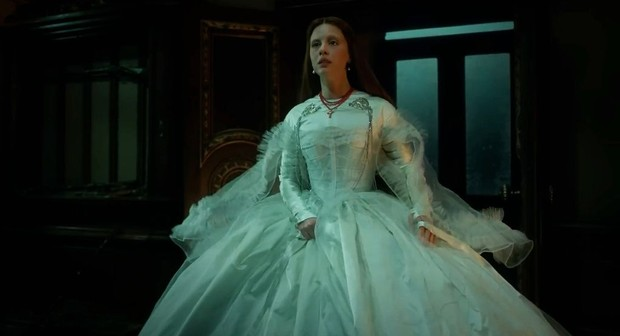
The Timeless Monster — Why Frankenstein Still Haunts Modern Culture
More than two centuries after its creation, Frankenstein remains one of the most influential stories in literature and film. Written by Mary Shelley in 1818, this gothic masterpiece explores ambition, science, and morality — themes that feel even more relevant in our age of artificial intelligence and genetic engineering.
The Birth of a Legend
Shelley conceived the story during a rainy summer in Geneva, where Lord Byron challenged his guests to write ghost tales. What began as a dream became a cultural cornerstone — the tale of Victor Frankenstein, a young scientist obsessed with conquering death, and the tragic creature he brings to life.
Science, Ethics, and Humanity
At its heart, Frankenstein is not merely a horror story — it’s a reflection on the boundaries of human innovation. Victor’s experiment symbolizes humanity’s eternal pursuit of power, knowledge, and immortality. But it also warns of neglecting responsibility for what we create.
From Page to Screen
The 1931 Universal Pictures adaptation cemented the monster’s green-skinned, bolt-necked image — even though Shelley never described it that way. Since then, countless films, comics, and TV shows have reimagined the creature — from The Bride of Frankenstein to Penny Dreadful and The Modern Prometheus.
Conclusion
Frankenstein endures because it speaks to our deepest fears — not of monsters, but of ourselves. Every new generation rediscovers it, questioning where humanity ends and technology begins.